Your Email List Isn’t the Problem Your Emails Might Be


You keep trying to grow your email list. But have you checked what you're sending the people already on it?
Because listen. List growth matters. A healthy Shopify brand should bring in new people consistently. We are not here to pretend subscribers magically appear out of thin air or that list size means nothing.
But if the emails already going out feel random, late, bland, or completely disconnected from how people shop, adding more subscribers just gives more people the same underwhelming experience.
That is not growth. That is inviting guests to a dinner party before checking if the food is seasoned.
For Shopify brands using Klaviyo, the real opportunity is often sitting right there in the list you already paid to build. The question is not only “How do we get more people in?” It is also “Are we giving the people already here a reason to come back?”

More subscribers will not fix a messy email experience
A bigger list can help when the email experience is already doing its job. But if subscribers are not opening, clicking, buying again, or even remembering why they signed up, more names will not solve the root problem.
Think about your favorite local bakery. If you walk in once and the sweet potato pie is perfect, you are coming back. You might even bring a cousin. But if the first slice is dry, the second visit is confusing, and nobody tells you when the peach cobbler is back, that bakery does not need a bigger sign first. It needs to fix the experience.
Email works the same way.
Your emails might be struggling because:
The content feels too generic.
The timing does not match the customer’s shopping moment.
Everyone gets the same message, even when they want different things.
New customers buy once and then hear nothing useful.
Klaviyo is collecting data, but nobody is using it with intention.
That is how brands end up with low email engagement even when the list looks decent on paper.
And no, this does not mean you have failed. It means your email program may have outgrown “send something when we remember” mode. Good. That means there is room to turn it into a real repeat purchase channel.
Irrelevant emails make good subscribers tune out.Relevance is simple. It means the email fits the person receiving it.
If someone just bought a body butter, they probably do not need an email the next day begging them to buy the exact same body butter again. They may need tips on how to make it last, what scent pairs well with it, or when to restock based on normal use.
If someone only buys gold jewelry, sending them three silver-only promos in a row is like handing a vegan customer a steakhouse coupon. Somebody might want it. Just not them.
This is where segmentation comes in.
Segmentation means grouping subscribers based on what you know about them. In Klaviyo, that can include what they bought, what they clicked, how recently they ordered, how much they have spent, or whether they have never purchased at all.
Klaviyo email segmentation helps you stop treating your list like one big room where everybody gets shouted at. It lets you speak to smaller groups with better timing and better taste.
A few simple segments can change the whole conversation:
People who bought once but have not bought again
VIP customers who order often
Subscribers who clicked but did not buy
Customers who bought a specific product category
People who joined the list but never made a purchase
You do not need to slice the list into 47 tiny pieces to be effective. Start with the groups that match how people actually shop your store.
Poor timing turns helpful emails into background noise.Timing can make a good email feel thoughtful. Bad timing can make the same email feel like clutter.
Imagine buying a pair of jeans online. Before they even ship, the brand sends “How are you loving your jeans?” Ma’am. They are still in transit.
Or say you ordered hair oil that usually lasts six weeks. If the refill reminder shows up three days after purchase, it feels pushy. If it shows up three months later, the customer may have already bought from somebody else.
That is the difference between “they get me” and “they are just sending stuff.”
In Klaviyo, automated emails are often called flows. A flow is a set of emails that send based on behavior or timing. Someone joins your list, abandons checkout, buys a product, or hits a certain number of days since their last order. The flow responds.
Flows are useful because they meet people in the moment. But the moment has to make sense.
A welcome email should not sound like a clearance bin if the subscriber has not learned your value yet. A post-purchase email should not act like the relationship ended when the order was placed. A win-back email should not guilt-trip someone who simply has not needed a refill yet.
Strong timing feels like service. Weak timing feels like noise in cute packaging.
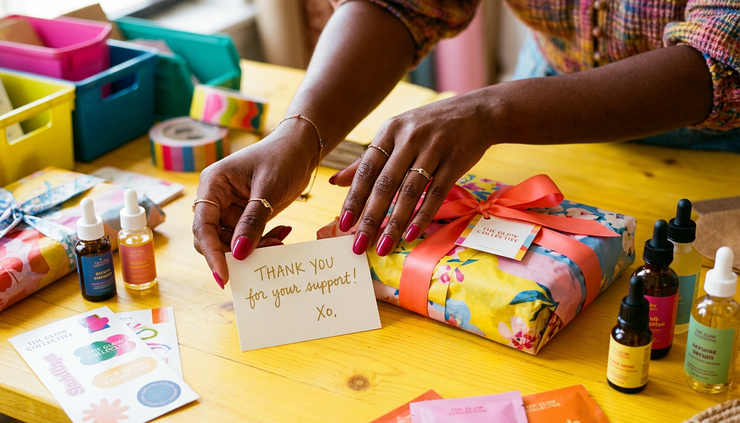
Missing post-purchase emails leave money on the table.A lot of brands put so much energy into the first sale that they go quiet after checkout.
That is a problem.
The post-purchase window is one of the best chances to build trust. The customer has already said yes. They are paying attention. They want reassurance that they made a good choice.
This is where customer retention emails earn their keep.
A strong post-purchase email experience can:
Confirm what happens next
Teach the customer how to use the product
Suggest a smart add-on
Invite a review at the right time
Remind them when it may be time to reorder
Introduce loyalty perks or referral options if those exist
Let’s say someone buys a candle. A smart post-purchase sequence might send care tips first, like trimming the wick and avoiding tunneling. Later, it might suggest a room spray in the same scent family. After enough time has passed, it can remind them to restock before the candle is all the way gone.
That is not annoying. That is useful.
The problem is many brands either skip these emails completely or only send a shipping notification and a review request. That is like throwing a beautiful event and forgetting to thank people for coming.
Five signs your email experience needs attention
If revenue from email feels unpredictable, do not panic. Look for patterns. Your Klaviyo account is usually leaving breadcrumbs.
Here are five signs your email experience needs a closer look.
1. People open but do not click
Opens can tell you the subject line worked. Clicks tell you the email gave people a reason to act.
If people open but do not click, the issue may be the offer, the product selection, the layout, or the call to action. The email may be pretty but not persuasive. Pretty is nice. Pretty alone does not pay Shopify invoices.
Try this:
Make one main action clear.
Put the key product or message near the top.
Use plain language that says what happens when someone clicks.
Match the email content to the subject line.
If the subject line says “Your winter skin fix,” do not send people to a generic homepage. Send them to the body butter, serum, or bundle that solves the problem.
2. Everyone gets the same campaign
If new subscribers, repeat customers, VIPs, and inactive shoppers all get the same email every week, your list is doing too much group work.
This is one of the most common email marketing mistakes. It feels efficient, but it often waters down the message.
Try this:
Send VIP customers early access or a thank-you perk.
Send first-time buyers education and product pairing ideas.
Send non-buyers proof, bestsellers, or a limited first-purchase offer.
Exclude recent purchasers from promos that do not make sense for them.
One list can hold many conversations. That is the point.
3. Your post-purchase flow is thin or missing
If a customer buys and only gets transactional emails, your brand may be disappearing right when trust is highest.
Shipping emails matter, but they are not the whole relationship. Customers also need confidence, care instructions, ideas, and reasons to come back.
Try this:
Add a thank-you email that feels human.
Explain how to use or care for the product.
Recommend a natural next purchase.
Time replenishment reminders around realistic product use.
Keep it helpful. Nobody needs seven emails screaming “BUY AGAIN” before the package arrives.

4. Your emails only show up when there is a sale
If subscribers only hear from you during discounts, you train them to wait for discounts.
That does not mean promos are bad. Promos can be powerful. But if every email is “20% off ends tonight,” the relationship gets one-note fast.
Try mixing in:
Product education
Founder notes
Customer stories
Styling or usage tips
Restock alerts
Behind-the-scenes product details
Gift guides and seasonal recommendations
You are allowed to sell. Please sell. But give people context, confidence, and curiosity between the offers.
5. You do not know what your email numbers are telling you
If you open Klaviyo and immediately feel like you accidentally walked into a math class mid-quiz, you are not alone.
Still, your email list performance tells a story.
You want to know:
Which campaigns drive clicks and sales
Which flows bring in repeat purchases
Which segments respond best
Where people stop engaging
Which products get attention but not purchases
Do not stare at every metric until your eyes glaze over. Start with the numbers tied to behavior. Are people opening? Clicking? Buying? Coming back?
That is email list engagement in plain English. It shows whether your subscribers are paying attention and taking action.
Practical ways to improve without rebuilding everything.You do not need to burn the whole email program down and start over in dramatic fashion. Save the theatrics for a product launch photoshoot.
Start with a few focused improvements.
Audit your last 10 campaigns
Look at what you sent recently. Ask:
Did each email have one clear purpose?
Was the audience right?
Did the subject line match the content?
Was there a clear next step?
Did the email make sense for recent buyers?
Patterns will show up fast. If every email is a promo, you have your first clue. If every email goes to the full list, there is another.
Fix your core flows first
Campaigns are the one-time emails you send for launches, sales, drops, or announcements. Flows run automatically after someone takes an action.
For many Shopify brands, the core flows include:
Welcome
Abandoned cart or checkout
Post-purchase
Browse abandonment
Win-back
Replenishment, if the product runs out or gets used up
You do not need fancy. You need clear, well-timed, and relevant.
Use customer behavior to guide the message
Customer behavior is just what people do. They click a product. They buy a scent. They ignore a category. They come back every two months.
Use that information.
If someone browsed tote bags, show the totes again with details they may have missed. If someone bought a cleanser, introduce the moisturizer that pairs well. If someone has ordered three times, treat them like they matter, because they do.
That does not require drama. It requires paying attention.
Make the email feel like your brand
The best emails sound like they came from a real brand with a real point of view. Not from a beige robot wearing a name tag.
Your voice can be warm, clever, polished, soulful, educational, playful, or soothing. Whatever fits the brand, let people feel it.
A good test is simple. If the logo disappeared, would the email still sound like you?
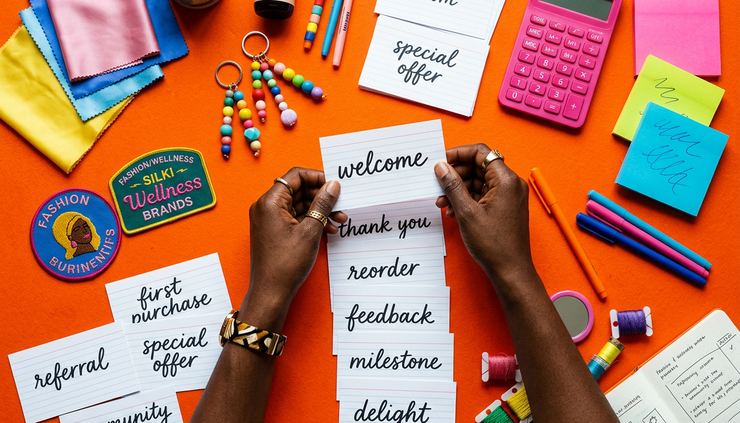
Start with the emails before chasing the bigger list
Growing the list is still part of the work. A strong brand keeps bringing new people in.
But if the emails are not relevant, not timed well, not segmented, and not supporting customers after checkout, list growth becomes expensive guesswork. The smarter first step is to understand what is happening inside the email experience you already have.
That is exactly why we created Shay Days.
Shay Day is Dardee Deals’ $149 one-on-one email audit for Shopify brands using Klaviyo. You get a clear scorecard, a project plan, and expert direction on what to fix first so your emails can do a better job earning repeat purchases.
Start with clarity before you add more names to the room. Book your Shay Day email audit and let’s see what your emails are really saying.

Comments